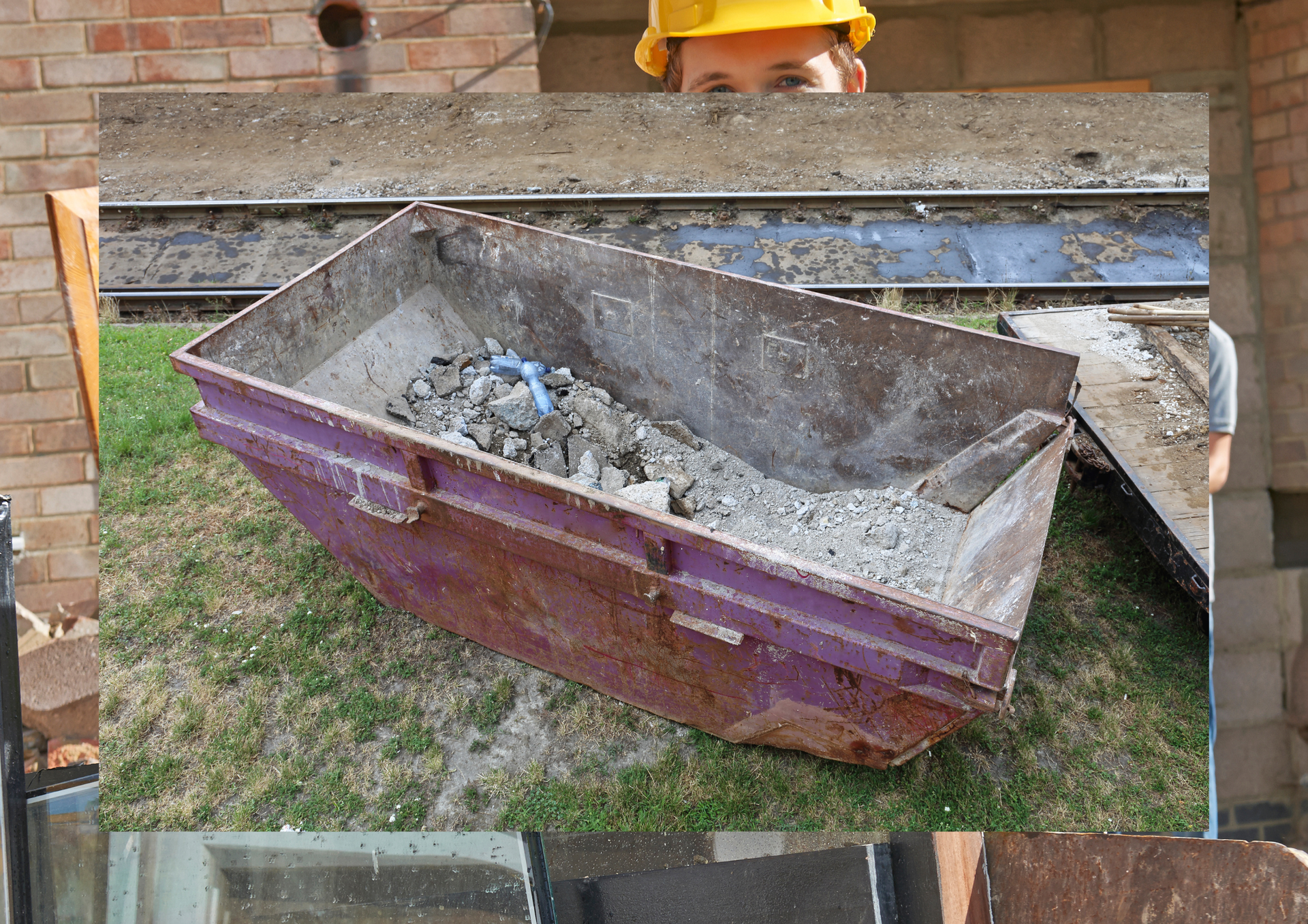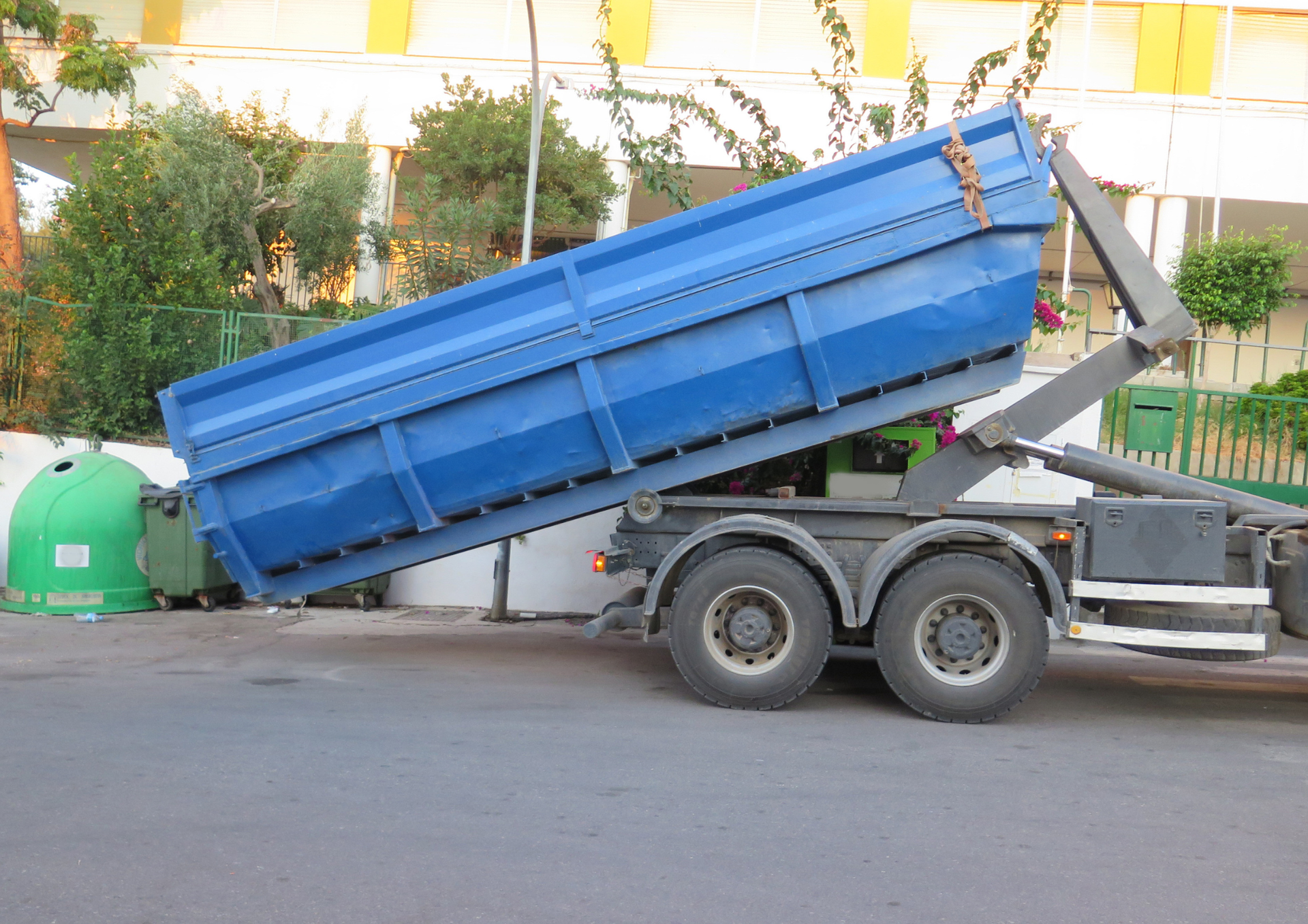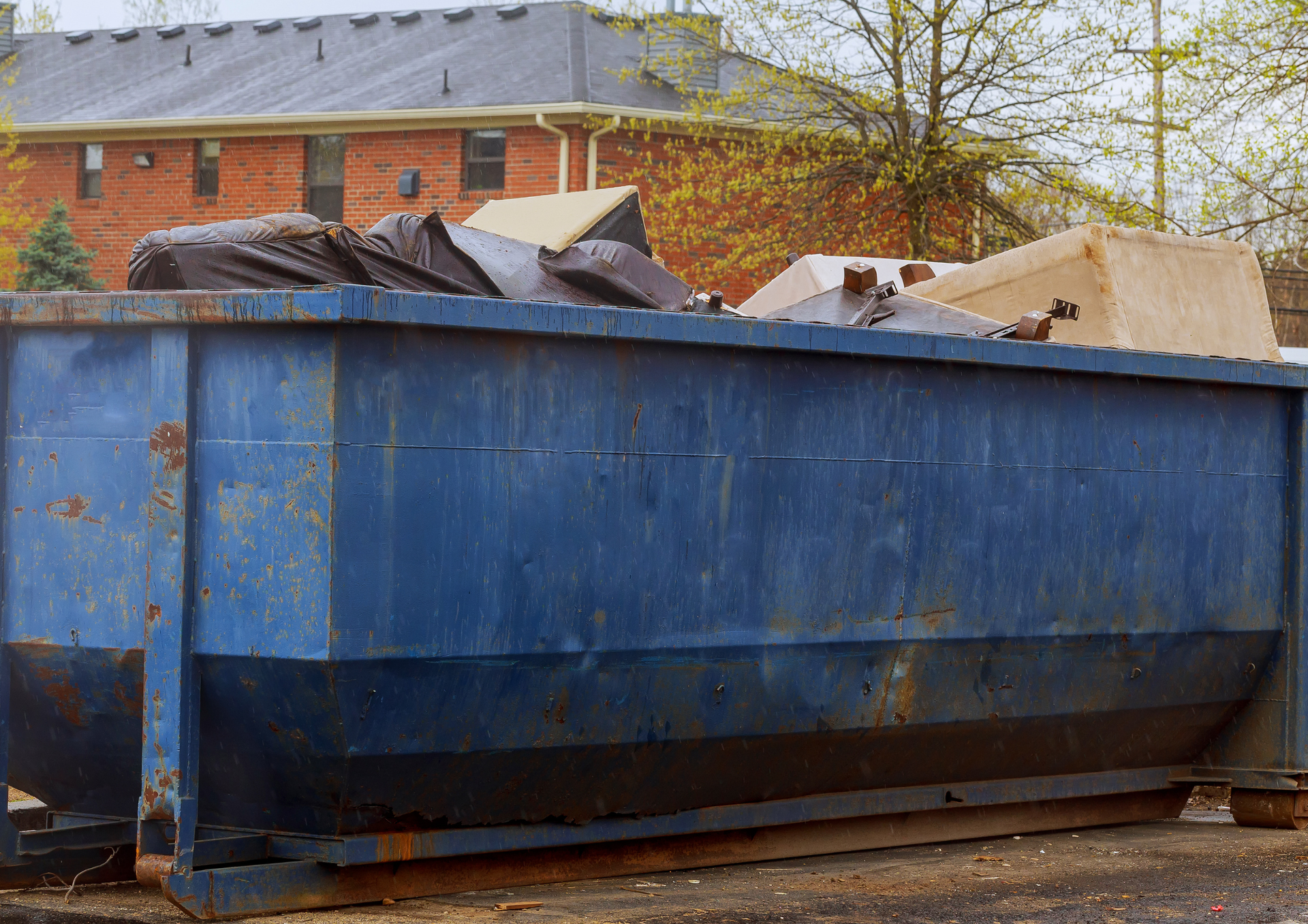

How Skip Services Help Maintain Safer and More Organised Worksites
Managing waste effectively is an essential part of maintaining an organised, accessible and productive working environment. Whether a project involves household improvements, property refurbishment, landscaping or commercial construction, unwanted materials can accumulate quickly. Without a suitable disposal plan, waste may obstruct access routes, occupy valuable working space and create unnecessary difficulties for those carrying out the work.
Professional skip services provide a practical approach to handling different waste volumes while supporting better site organisation. Having a designated place for unwanted materials allows homeowners, landlords, surveyors, local authorities and commercial property managers to manage disposal requirements without repeatedly interrupting ongoing activities.
In Norwich, residential streets, established neighbourhoods, commercial premises and developing properties can present different challenges when arranging waste removal. Limited access, available space and the type of materials being discarded all influence the most appropriate approach. Understanding these considerations before work begins can help prevent avoidable complications.
Effective waste management is not simply about removing rubbish once a project is finished. It involves identifying what materials will be produced, selecting suitable equipment, arranging convenient delivery and collection, and ensuring waste is handled responsibly throughout the project.
Understanding How Proper Waste Planning Improves Site Organisation
Effective waste planning begins with understanding the nature of the project and the materials likely to be produced. Domestic improvements, commercial refurbishments and construction activities all generate different types and quantities of waste. Establishing a clear disposal strategy before work starts helps maintain accessible working areas and reduces the likelihood of unnecessary delays.
Arranging skip hire as part of the initial project preparation allows customers to consider waste disposal alongside other important requirements, including equipment access, material deliveries and working schedules. Rather than waiting until unwanted materials accumulate, a planned approach provides a designated disposal area from the outset.
Assessing Waste Requirements
- Identify the main materials expected during the project, including timber, packaging, garden debris, general household rubbish and building waste.
- Estimate the likely volume of waste based on the scale and duration of the work.
- Consider whether certain materials require separate handling or specialist disposal arrangements.
- Review how frequently waste will be generated to determine whether one collection will be sufficient.
- Allow for reasonable changes in waste quantities as the project progresses.
Maintaining Clear Working Areas
- Establish a designated waste disposal location away from frequently used entrances and pedestrian routes.
- Keep corridors, driveways and access points free from loose materials wherever possible.
- Encourage regular removal of unwanted items from active working areas.
- Avoid allowing waste to accumulate near equipment, stored materials or frequently occupied spaces.
- Monitor the condition of the site throughout the project rather than leaving all clearing activities until completion.
Planning Delivery and Collection
- Identify suitable delivery locations before arranging a booking.
- Check whether the intended placement area provides sufficient space for the delivery vehicle.
- Consider the expected duration of the work when discussing collection arrangements.
- Communicate any access restrictions, narrow entrances or nearby obstacles in advance.
- Confirm whether local permissions are required when equipment must be positioned on a public road.
Supporting Different Property Requirements
- Homeowners can plan disposal around decorating, renovation and general clearance activities.
- Landlords may need organised waste removal between tenancies or during property improvements.
- Surveyors and property managers can consider disposal arrangements when assessing refurbishment requirements.
- Local authorities may require coordinated collections for maintenance and improvement programmes.
- Commercial property operators can arrange waste management around working hours to minimise disruption.
A structured approach provides a clearer understanding of the resources required and the practical arrangements needed throughout the project. It also helps everyone involved recognise their responsibilities for maintaining tidy and accessible surroundings.
Why Reliable Waste Removal Matters for Residential and Commercial Projects
Reliable waste removal contributes significantly to the overall efficiency of property improvements and construction activities. Although the amount of waste generated varies considerably between projects, the need for organised disposal remains consistent. Without dependable arrangements, unwanted materials can occupy valuable space and interfere with other tasks.
For homeowners, the benefits are particularly noticeable during kitchen renovations, bathroom refurbishments and larger decorating projects. Removing old fittings, damaged materials and packaging creates space for replacement products and equipment. When waste is placed in a designated container rather than left around the property, the working environment becomes easier to manage.
Garden improvements present another common challenge. Removing fencing, cutting back vegetation, replacing paving or clearing neglected outdoor spaces can produce substantial quantities of bulky material. An organised disposal arrangement allows homeowners and contractors to concentrate on the improvement work without repeatedly moving unwanted items between different areas.
For landlords, efficient waste removal can support property maintenance and preparation between occupancies. Furniture, damaged fittings and general household rubbish may need to be cleared before cleaning, decorating or repairs can begin. Coordinating these activities carefully can help reduce unnecessary interruptions and support a more predictable refurbishment programme.
Commercial projects often involve additional considerations. Office improvements, retail refurbishments and alterations to business premises may need to take place alongside normal operations. Waste accumulation can interfere with deliveries, restrict access and make working areas less convenient for employees, contractors and visitors.
Choosing local skip hire can be particularly useful when coordinating these requirements. A provider familiar with Norwich and its surrounding communities may be better placed to discuss local access considerations, suitable delivery arrangements and practical collection planning. However, availability, vehicle access and specific booking conditions should always be confirmed beforehand.
Clear communication is another important element of dependable service. Customers should understand what materials are accepted, how long the container can remain on site and what procedures apply when collection is required. Confirming these details before delivery helps prevent misunderstandings and allows project schedules to be organised more effectively.
Responsible waste handling also deserves consideration. Different materials may require different disposal processes, and some items cannot be placed in an ordinary container. Electrical equipment, hazardous substances and certain specialist materials may require alternative arrangements. Customers should discuss these requirements with their chosen provider rather than assuming every type of waste can be mixed together.
Good waste management also supports professional standards. A tidy site demonstrates consideration for neighbouring properties, building occupants and people using nearby public spaces. This is especially relevant where renovation work takes place in occupied residential buildings or commercial premises.
For surveyors, local authorities and property managers overseeing multiple sites, consistent disposal procedures can also simplify project coordination. Clear instructions, planned collection dates and suitable waste handling arrangements help establish a more organised approach across different properties.
Ultimately, dependable waste removal should complement the work taking place rather than become another complication. Planning ahead, communicating clearly and selecting appropriate arrangements can make the entire process more manageable.
Choosing Suitable Waste Containers for Different Site Requirements
Selecting the appropriate waste container is an important part of maintaining an organised site. The right capacity depends on the type of project, the volume of material being discarded and the available space for placement. Choosing equipment that is too small may result in additional collections, while unnecessarily large containers can occupy valuable space and create access difficulties.
Understanding different skip sizes helps customers make informed decisions before booking. Although capacity requirements vary between projects, considering the likely waste volume alongside access and loading restrictions can help identify a practical option.
Small Household Clearances
- Compact containers are often suitable for clearing cupboards, garages, sheds and smaller storage areas.
- Minor decorating projects may generate packaging, old fixtures and general household rubbish.
- Smaller equipment can be more practical where driveway space is limited.
- Estimating the volume of waste beforehand helps avoid selecting insufficient capacity.
Home Renovations and Refurbishments
- Kitchen and bathroom improvements can produce old fittings, timber, tiles and other renovation materials.
- Larger containers may be appropriate when several rooms are being refurbished.
- Heavy materials require particular consideration because weight restrictions can affect the amount that may be loaded.
- Customers should confirm whether specific materials need separate handling before delivery.
Garden and Landscaping Work
- Garden clearances frequently produce branches, hedge cuttings, soil and unwanted outdoor materials.
- Landscaping projects involving paving or fencing may generate heavier waste.
- The placement location should allow convenient loading without obstructing essential access routes.
- Discussing soil, rubble and mixed garden waste beforehand helps establish suitable disposal arrangements.
Commercial and Construction Projects
- Office clearances and retail refurbishments may generate furniture, packaging and discarded fittings.
- Building projects can produce significant quantities of timber, masonry and other construction materials.
- Larger waste volumes may require carefully coordinated collections throughout the project.
- Equipment selection should reflect the available site space and the practical needs of contractors.
Access, Placement and Loading Considerations
- Check that the delivery vehicle can approach the intended placement area safely.
- Consider overhead cables, low branches, parked vehicles and narrow access points.
- Keep containers away from entrances or essential pedestrian routes where possible.
- Avoid overfilling, as waste should remain within the permitted loading level.
- Confirm whether a permit is necessary for placement on a public highway.
Seeking Practical Advice Before Booking
- Explain the type of work being undertaken and the expected quantity of waste.
- Describe the available space and any potential access difficulties.
- Ask about permitted materials, weight restrictions and collection procedures.
- Consider whether one container or several planned collections would be more appropriate.
- Review the expected project duration to establish a suitable hire period.
Taking time to assess these factors can prevent unnecessary complications later. Suitable equipment supports better site organisation, allows waste to be handled more conveniently and helps maintain a practical balance between available space and disposal capacity.
Maintaining Responsible Waste Management Throughout the Project
Effective waste management requires continued attention rather than a single decision made before work begins. Even when suitable equipment has been arranged, the way materials are handled throughout the project can influence site organisation, accessibility and overall efficiency.
A useful starting point is establishing clear procedures for everyone involved. Contractors, occupants and other site users should understand where waste needs to be placed and which materials require separate handling. Consistent arrangements reduce confusion and help prevent unwanted items from being left in unsuitable locations.
Customers searching for a skip near me may naturally prioritise convenience, but the quality of the overall service is equally important. Delivery arrangements, accepted waste types, collection procedures and communication should all be considered before selecting a provider.
For residential properties, maintaining an organised disposal area is especially important when occupants remain in the building during renovation work. Household activities may need to continue alongside decorating, repairs or replacement installations. Keeping unwanted materials away from frequently used areas can help reduce inconvenience and maintain clearer access.
Commercial properties often require additional coordination. Deliveries, employee access, contractor movements and business operations may all need to continue while refurbishment work takes place. Positioning waste equipment thoughtfully and arranging collections around operational requirements can help minimise disruption.
Environmental responsibility is another important consideration. Many construction and household materials can be recovered or recycled through appropriate processing facilities. Timber, metals, cardboard and certain building materials may be suitable for recycling, depending on their condition and the facilities available.
However, not every material belongs in a standard waste container. Items such as asbestos, certain electrical products, chemicals and other restricted substances may require specialist disposal. Checking these requirements before loading helps prevent collection difficulties and supports compliance with relevant waste regulations.
In England, waste producers and those arranging disposal have responsibilities under waste duty of care requirements. Customers should use appropriately authorised waste carriers and ensure waste is transferred and managed through suitable arrangements. Keeping relevant documentation can also be useful for businesses and organisations responsible for property maintenance.
Regular monitoring helps maintain good standards throughout the project. As work progresses, the amount and type of waste may change. Reviewing the available capacity allows customers to identify whether additional arrangements are necessary before the container becomes full.
Communication with the provider remains valuable at this stage. If the project runs longer than expected or waste volumes increase, discussing the situation promptly may provide opportunities to adjust collection arrangements. Any changes should be agreed in advance rather than assuming extended hire periods are automatically available.
Weather conditions can also affect site management. Loose packaging and lightweight materials may be displaced by strong winds, while prolonged rainfall can make certain waste heavier and working areas more difficult to navigate. Suitable loading practices and regular housekeeping help reduce these problems.
As the project approaches completion, planning the final collection allows remaining waste to be removed before cleaning, inspections or handover activities. This is particularly useful for landlords preparing properties for occupation, businesses reopening refurbished premises and local authorities coordinating maintenance programmes.
A consistent approach from preparation through to completion makes waste disposal more predictable and supports better management of residential and commercial sites.
Effective waste management is an essential part of maintaining organised, accessible and productive working environments. Whether the project involves a small household improvement, substantial property refurbishment or commercial development, unwanted materials should be managed carefully throughout every stage of the work.
Planning ahead allows property owners and project managers to understand likely waste volumes, identify suitable disposal equipment and establish practical delivery and collection arrangements. These preparations can reduce unnecessary interruptions and help maintain clearer working areas.
Choosing appropriate equipment is equally important. The volume and type of waste, available placement space, access restrictions and expected project duration should all influence the decision. Seeking guidance before booking can help avoid unsuitable arrangements and improve overall efficiency.
Responsible disposal practices also contribute to better environmental outcomes. Understanding which materials can be recycled, recognising restricted waste types and working with appropriately authorised providers are important considerations for domestic and commercial customers alike.
For homeowners, landlords, surveyors, local authorities and businesses in Norwich and elsewhere, choosing suitable
skip services can provide a practical foundation for successful property improvements. By combining careful preparation, clear communication and ongoing site management, projects can progress more smoothly while maintaining tidy and well-managed surroundings.
Skip Hire Norwich provides practical waste management solutions for homeowners, landlords, surveyors, local authorities and businesses responsible for residential and commercial properties. We understand that different projects require different arrangements, whether customers are clearing a household, improving a garden, refurbishing a building or managing ongoing maintenance work.
Our approach focuses on helping customers understand their requirements before making a booking. By considering the type of waste, available space, expected project duration and delivery access, we aim to provide useful guidance that supports informed decisions.
We recognise that reliable communication is important throughout the process. Clear information about container suitability, accepted materials, delivery arrangements and collection procedures helps customers plan their work with greater confidence.
Whether you are undertaking a small domestic improvement or coordinating a larger commercial project, our skip services are intended to provide a straightforward and practical approach to waste removal.
Check out our latest X update exploring the crucial role of
skip services
in maintaining safer, cleaner, and more organised worksites!
You might also like