
Planning Home Clear-Outs? Consider Reliable Skip Hire Near Me
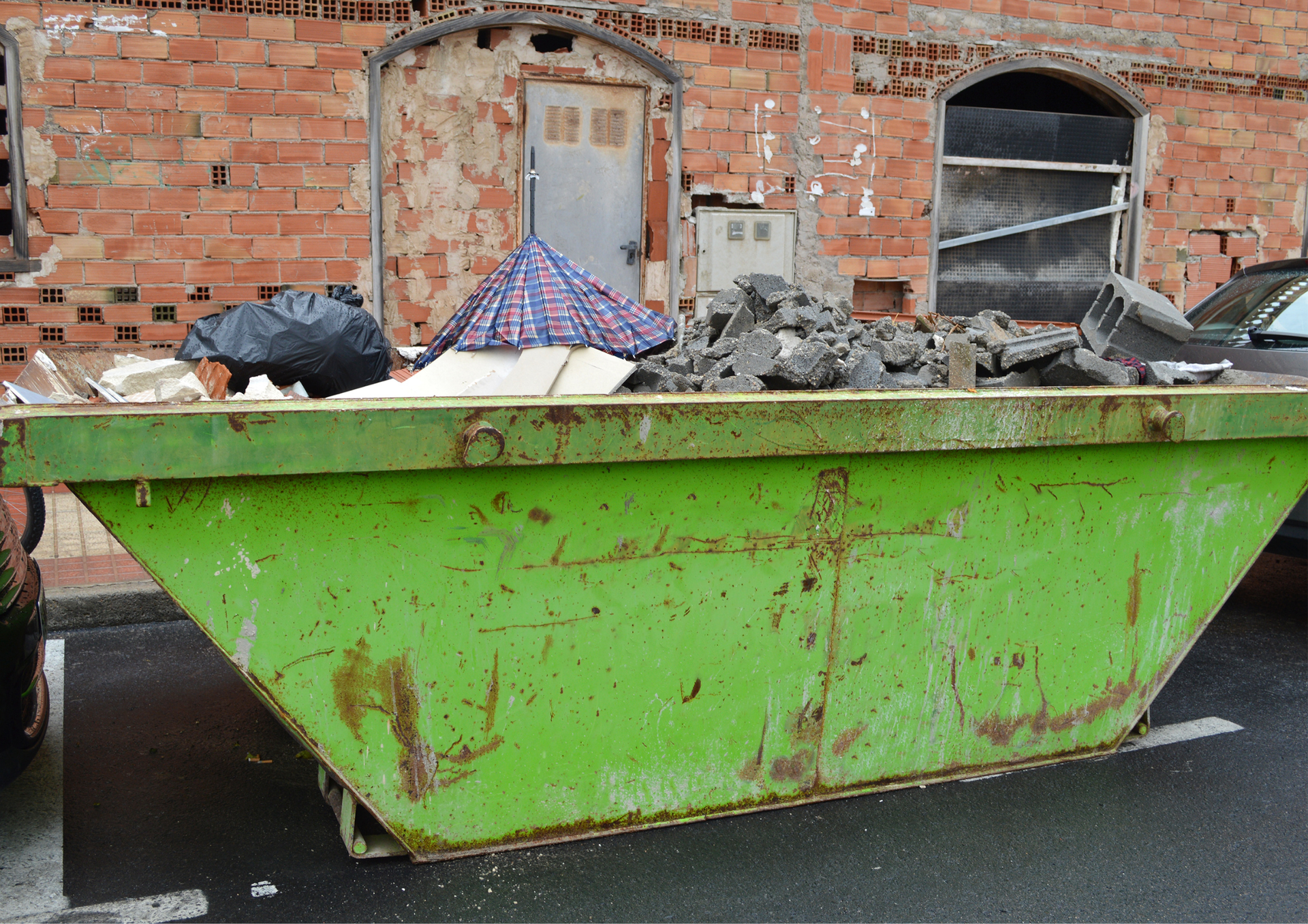
Clearing out a home can be surprisingly demanding. What begins as a plan to tidy a spare room, empty a garage or remove a few unwanted belongings can quickly develop into a much larger project. Furniture, old household items, packaging, garden materials and renovation debris can take up considerable space, making it important to decide how everything will be removed before the work begins. For households planning a substantial clearance, arranging skip hire near me can provide a practical way to keep unwanted materials together while maintaining a more organised property.
A clear plan can make the entire process easier. Instead of attempting to sort every room simultaneously, it is often more manageable to work through the property in stages. Items can be separated into those being kept, reused, donated, recycled or disposed of. This approach reduces confusion and provides a better idea of how much waste the project is likely to generate.
Some people begin their planning by searching for skips near me because they want a convenient waste solution that can accommodate the volume produced during a domestic clearance. Understanding the amount and type of material involved before booking can help customers choose an appropriate size and avoid unnecessary complications later.
Organising a Home Clear-Out Before the Skip Arrives
A successful clearance usually begins before any waste is moved outside. Taking time to assess each area of the property helps determine what needs removing, what should remain and how the work can be completed efficiently. Customers looking for the cheapest skip hire near me should consider overall suitability as well as the initial quotation, because the right size, dependable delivery and appropriate collection arrangements can provide better value than simply choosing the lowest advertised figure.
Start with One Area at a Time
- Begin with a manageable room such as a spare bedroom, cupboard or utility area rather than attempting the entire property at once.
- Create separate groups for belongings that will be kept, donated, recycled or disposed of.
- Finish one space before moving to another wherever practical, as this makes progress easier to see.
- Label boxes or temporary storage areas clearly so useful possessions are not accidentally discarded.
- Leave frequently used rooms until later if the property is still occupied during the clearance.
Identify Larger Items Early
- Check garages, sheds, lofts and spare rooms for bulky objects that may require additional space.
- Consider dismantling suitable furniture where practical so available capacity can be used more efficiently.
- Measure unusually large objects before the project begins if access through doors, hallways or staircases could be difficult.
- Keep reusable furniture separate from general waste if it is being donated or passed to another person.
- Avoid leaving large objects until the final stage, as they may significantly affect the amount of capacity required.
Estimate the Amount of Waste
- Walk through every area included in the clearance before selecting a container.
- Consider whether additional waste may appear once cupboards, storage areas and loft spaces are emptied.
- Allow for materials produced by associated decorating or minor renovation work.
- Avoid deliberately choosing a container that is clearly too small simply to reduce the initial charge.
- Ask for practical guidance if estimating the overall volume proves difficult.
Prepare the Property
- Decide where the container could be positioned before delivery.
- Keep driveways, gates and access points clear wherever possible.
- Move vehicles or other obstacles that could prevent safe positioning.
- Consider how waste will travel from the house to the container and keep that route accessible.
- Discuss placement requirements in advance if space around the property is restricted.
Good preparation reduces unnecessary handling and helps everyone involved understand what needs to be completed. It can also prevent useful possessions from becoming mixed with unwanted material during a busy clearance.
Matching the Waste Solution to the Scale of the Clearance
Every household clearance is different. A small decluttering project may involve only old boxes, broken household goods and miscellaneous items that have accumulated over time. Clearing an entire property after a move, refurbishment or change of tenancy can generate considerably more material. Matching the waste solution to the actual scale of the job is therefore an important part of planning.
A smaller container may be sufficient when clearing a single room or completing a modest DIY project. Larger domestic jobs can involve old furniture, flooring, timber, garden materials and other bulky items, making greater capacity more practical. Estimating the likely volume before booking reduces the chance of discovering halfway through the work that there is insufficient room.
The type of material also deserves attention. Not everything removed from a property should automatically be treated in the same way. Items in usable condition may be suitable for donation or reuse, while recyclable materials can often be separated before disposal. Customers should also check what can and cannot be placed in their chosen container before loading begins.
When considering skip hire near me, it is useful to explain the nature of the project rather than selecting a size based purely on guesswork. A provider familiar with household clearances can use information about the property, project and expected waste to help identify an appropriate option.
Access is another practical consideration. A large container may appear suitable based on waste volume, but the property must also have enough room for safe delivery and collection. Narrow roads, parked vehicles, restricted entrances and limited driveway space can all influence placement. Discussing these circumstances before delivery can prevent avoidable delays.
Customers should also think about the order in which materials will be loaded. Bulky objects can consume available space quickly if placed without planning. Breaking down suitable items and arranging materials carefully can make better use of capacity, although nothing should be loaded in a way that creates an unsafe or overloaded container.
Timing matters as well. Some clearances can be completed over a weekend, whereas larger properties may require several days. Booking a realistic hire period gives customers enough time to work methodically rather than rushing through rooms and potentially discarding something important.
The objective should be to create a waste removal arrangement that supports the project rather than complicates it. Appropriate capacity, sensible placement and realistic scheduling can make a noticeable difference to how smoothly a home clearance progresses.
Making the Clearance Safer, Tidier and More Efficient
A home clearance often involves repeated lifting, carrying and sorting. Keeping the property organised throughout the process can make the work easier while reducing unnecessary obstacles. Choosing local skip hire can also be useful when customers want a provider familiar with the surrounding area, local access conditions and practical delivery requirements.
=
Maintain Clear Walking Routes
- Keep hallways, stairs, doorways and entrances free from loose waste.
- Move unwanted objects directly to a designated sorting area rather than creating several piles throughout the property.
- Avoid placing bags or boxes where they could restrict access.
- Keep children and pets away from active working areas where appropriate.
- Maintain clear access between the property and the waste container.
Handle Bulky Objects Carefully
- Assess heavy furniture before attempting to move it.
- Remove drawers, shelves or detachable sections where practical to reduce weight.
- Use more than one person for objects that cannot be handled comfortably by an individual.
- Check stairways and door openings before moving large furniture through the property.
- Avoid rushing simply to complete the clearance more quickly.
Load in an Organised Manner
- Position suitable larger or flatter materials carefully to make sensible use of available capacity.
- Break down appropriate items where doing so can be completed safely.
- Avoid allowing materials to extend beyond acceptable loading levels.
- Keep prohibited or unsuitable materials separate until an appropriate disposal route has been identified.
- Review remaining waste periodically so available space can be managed effectively.
Keep the Project Manageable
- Divide larger clearances into individual rooms or stages.
- Take regular breaks during physically demanding work.
- Set realistic daily targets rather than attempting to clear an entire property immediately.
- Review items before disposal if there is any uncertainty about whether they should be retained.
- Arrange help in advance when the property contains substantial amounts of furniture or other bulky belongings.
Organisation becomes particularly important when a property remains occupied during the clearance. Keeping essential rooms functional and limiting waste to designated areas can reduce disruption to everyday life.
For landlords and property managers, a structured approach can also make preparing a property for new occupants more efficient. Surveyors and local authorities overseeing larger residential projects may similarly benefit from clearly defined disposal arrangements that keep working areas accessible throughout the job.
Why Local Planning Matters for Norwich Home Clearances
Norwich contains a varied mix of residential properties, from established neighbourhoods and terraced homes to newer developments and larger properties around the surrounding area. Different property types can present different access considerations, making advance planning particularly valuable.
Customers should consider the available space outside the property before arranging delivery. A private driveway may provide a straightforward placement option, while properties with limited frontage or restricted access may require more preparation. Where placement on a public road is being considered, customers should establish what permissions or arrangements may be necessary before the intended delivery date.
Local road conditions can also affect how easily larger vehicles reach a property. Narrow streets, parked cars and restricted turning space are worth mentioning when making a booking. Providing accurate information allows delivery arrangements to be considered before the vehicle arrives rather than discovering an access problem at the last moment.
Good planning is equally valuable for properties outside the immediate urban area. Rural homes, larger gardens and properties reached through narrow lanes can have different delivery considerations. Explaining these details beforehand helps ensure the proposed arrangement is suitable.
Collection should also be considered from the beginning. Once the clearance is complete, customers generally want the waste removed without unnecessary delay. Keeping access clear and ensuring the container is ready for collection can help the final stage proceed smoothly.
For homeowners, a well-managed clearance can create valuable additional space and make a property easier to organise. Landlords may need to prepare accommodation between tenancies, while commercial property owners could be clearing offices, storage areas or mixed-use premises. Although the circumstances vary, the same principle applies: planning waste removal alongside the clearance itself makes the overall project more efficient.
Skip Hire Norwich provides practical waste removal support for domestic and commercial projects across the local area. We understand that clearing a property can involve everything from a few unwanted household items to substantial amounts of material accumulated during renovations, moves or larger clearances.
Our approach focuses on straightforward communication, suitable options and dependable arrangements from initial booking through to collection. Customers considering skip hire near me can speak with us about the scale of their project, expected waste volume and property access so that an appropriate solution can be considered before work begins.
By combining local knowledge with practical guidance and organised service, we help customers plan their clearances with confidence while keeping properties tidy and projects moving efficiently.
Check out our latest X update on planning home clear-outs and why choosing reliable
skip hire near me can make waste removal simpler and more convenient.
You might also like